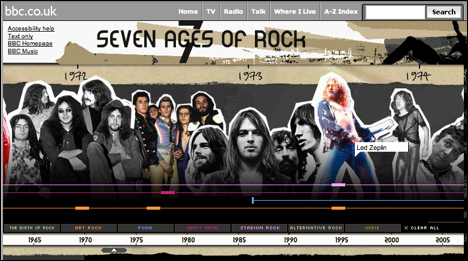
TV “List programmes” are always annoying and the recent BBC4 effort “The Seven Ages of Rock” was no exception. The usual array of self-serving industry talkingheads rubbed shoulders with “I was there” merchants, which left very little scope for anything fresh or current or subversive to leak through. I guess there is so much commercial mileage in ROCK that experimentation with the narrative or format is out of the question. Hell, some of the audience might even head down to a record shop or fire up Amazon afterwards to reacquire that long lost album! You don’t want to scare them off, right?
I found the final episode about “indie” particularly galling. I hate the current usage of the term with a vengeance. Situationist one-upmanship aside, this has to be one of the most frustrating (and inevitable) examples of something experimental and open being clawed back by corporations.
Indie used to mean… anything! When I first saw a copy of the indie chart in one of the inkie music papers in the mid-80s it took me ages to figure out what it meant. Initially I thought it was about Indian music, possibly because it was alongside charts for soul, reggae and/or african music. But those titles – everything from Scraping Foetus Off The Wheel to Bogshed to The Sisters of Mercy to… whatever.
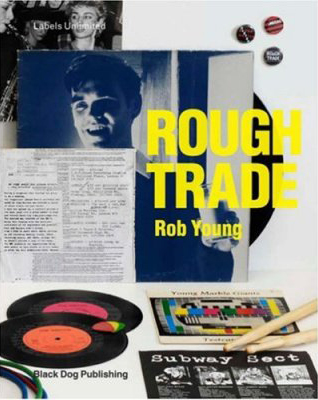
Reading Rob Young’s book on Rough Trade recently, I was reminded again of the sheer diversity of sounds that the post-punk scene threw up, and also of the ideology behind it all. A certain commitment to experimentation, subversion, of being in some way distinct from and opposed to the mainstream (whilst being obssessed with it). An admiration of other ‘outsider’ cultures such as reggae (Rough Trade releasing some great records by Augustus Pablo and Horace Andy, for example) and hip hop. Maybe even internationalism.
The BBC prog didn’t try to tackle this. Instead it simply dived in at Oasis’ massive Knebworth gig and back-filled from there.
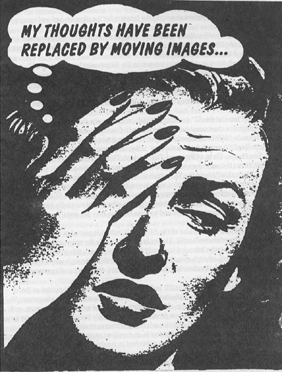
So according to the programme, “Indie” sprang into the world with The Smiths and then proceeded via Madchester to Britpop. There were some slightly embarrassed asides about this then leading to Coldplay and Jamie Oliver’s “Music To Cook By” CD. Of course, everyone knows that “indie” is all basically about white blokes with guitars now, but y’know, some people take the bland stadium thing too far, yeah?
Even on its own terms the programme failed to cover the great female bands of the period adequately. But y’know – “indie” is about lads, innit? Lads and beers and guitars. Keep repeating that mantra and all the other music will vanish…
A more honest look at “indie” could have started with the NME C86 compilation, or maybe even with the Postcard Label. Now, that may have complicated things because there might be acts which varied from the “indie” template and y’know some of them might have slightly radical ideas about music or politics (another timeline to draw is how the opposition to Thatcherism changed into support for New Labour and visits to Downing Street), but hey, worth a shot? No?
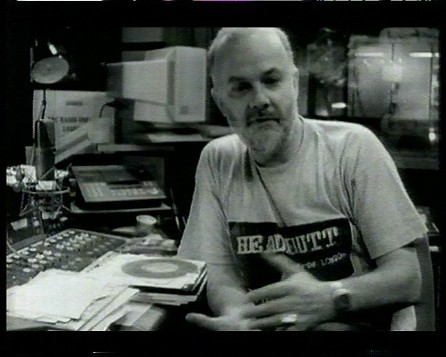
OK, then. Simply start with one radio presenter.
The spectre haunting “indie” is John Peel. He barely got a look in on the programme. Perhaps because the connections with Oasis were somewhat tenuous. But perhaps also because there is a whole weight of post punk and other music lurking in the Peel wardrobe that can’t be let out in case it ruins the “indie” game. I mean, you wouldn’t want The Bundhu Boys and The Sewer Zombies showing up and spoiling the party, would you?
This narrowing is what really annoys me. More, I think, than the idea that independent can become “indie”. There is something truly radical in the idea that you would get shoe gazers talking about Peel playing Fela Kuti and Bolt-thrower. That Peel could play happy hardcore and jungle and The Fall and Duane Eddy. Of course, there was a lot wrong there as well, but the idea that Peel can now be nicely repackaged as an avuncular eccentric uncle is enraging for people like me who actually listened to his shows for years – originally on headphones under the bedclothes, in the dark, with the tape on pause.
And it wasn’t just Peel – people actually bought all these mad records. Because they were looking for something, because they meant something.
This is not, I hasten to add, to take anything away from people who like a beer and a laugh and a singalong. The kids are (as ever) alright. Seeing The Smiths on Top of The Pops was great at the time and great to be reminded of. The Stone Roses and Suede still sound fantastic. The whole acid house crossover with Madchester is a fine example of, well, all sorts of things. The strings in “Wonderwall” still do it for me – stuff like that will stand the test of time.
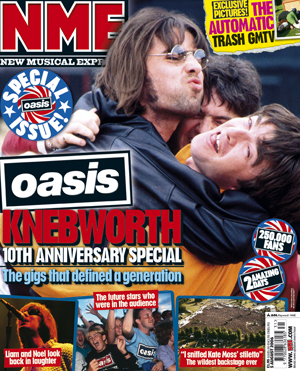
But… what really fucks me off is a bunch of commentators and journalists packaging history for everyone. Again. That ROCK needs to be documented, again, above other things. That the central image of the programme needed to be Noel Gallagher driving a Rolls Royce into Knebworth to check it out. And don’t get me started on all that shit about people having “lost their way” and the music being a wonderful example of people being able to be “essentially British again” – at a time when jungle was kicking off!
Here are some Indie Charts for you. They are just from the back issues of the New Musical Express I couldn’t flog on ebay, but will probably explain the above much better than I ever could. Click on the thumbnails for the image.
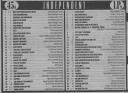 NME January 1984
 NME November 1984
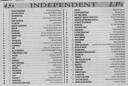 NME July 1985
With thanks to: http://www.dissensus.com/showthread.php?t=6107

 NME January 1984
 NME November 1984
 NME July 1985